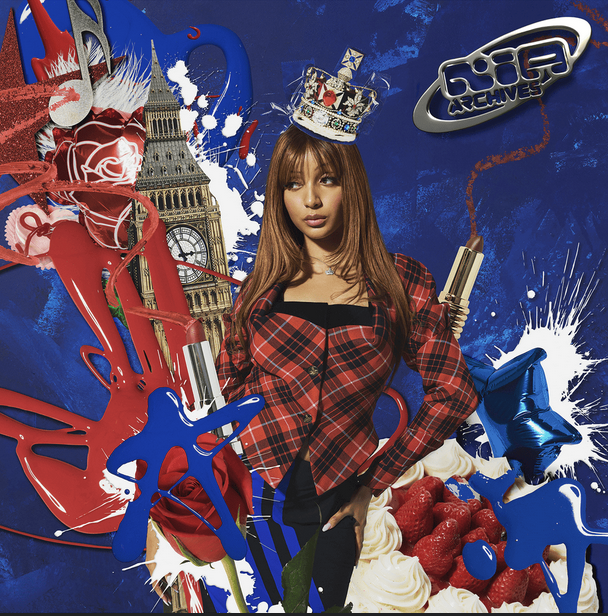


“A locket”–gold, shiny, an iconic symbol of love–is the title of Madison Beer’s disappointing new, third studio album, released January 16. But does this album truly tug at the heartstrings and express concealed emotions as the title suggests?
Beer’s first album release since 2023’s “Silence Between Songs” features eleven tracks, including popular and pre-released singles such as “make you mine” and “bittersweet”. Similar to Beer’s other album, most of the songs are primarily classified as pop, and her use of breathy and light vocals to portray feelings of heartbreak and innuendos. However, the second track “yes baby” gives a more Tate McRae feel with its use of EDM. The repetition of “yes, baby, yes” and fast and chaotic beats creates a dizzying illusion of a club blasting song about simple pleasures. In contrast, elements of R&B are expressed in the slower and more remorseful tone of the fifth track “bad enough”. Like Beer’s previous songs “Selfish” and “Good In Goodbye,” both released in 2020, “bad enough” illustrates the idea of not being able to end a toxic relationship.
Furthermore, the first track of the album, “locket theme” includes very straightforward lines like “Did you miss me? I like to pretend you did/Was crying lately, I know you can picture it/All our memories safe in my locket, I carry it […]/Had to get this off my chest”. Although the lyrics connect to the album cover of Beer clutching a locket to her chest, the theme song does not delve into a deeper meaning. Throughout the album, Beer’s lines feel superficial and lack creativity. In “you’re still everything” Beer admits that her feelings for her ex are “…hard to explain/Like colors and pain/Oh, everything changes/Look what I became”. Yet, one of the most important parts about being a songwriter is to describe emotions in ways that most people would never think of before. Although Beer is only credited with co-writing “locket theme”, she was a key producer on the album and had plenty of opportunities to ask for more complex lyrics.
Even the music videos that were produced for the album lack depth. In her “bad enough” video, it feels as if someone told her she resembled Belle from Beauty and the Beast, so on a whim, she just decided to play the character and see how things turned out. Then, in the “bittersweet” video featuring “The Summer I Turned Pretty” star Sean Kaufman as the ex-boyfriend, she juggles back and forth between her life in a regular neighborhood and being caught in paparazzi. There is a nod to a locket, which Beer wears around her neck, that eventually opens up to a projection of her memories of her and her ex.
Beer has spoken out about her diagnosis of Borderline Personality Disorder (BPD), PTSD, OCD, and Panic Disorder. These feelings of panic and trauma are a more vulnerable part of Beer’s life that are not expressed in this album. Instead, Beer’s songs focus on breakups and relationships in a polished and surface-level way. But as previously mentioned, the other serious conditions and feelings that Beer experiences could also resonate with her listeners and feel more authentic. For instance, SZA is a popular artist because she is known for her unique narration of raw and ugly emotions, making her not just talented but also compelling.
While “locket” does have some standout singles like “bittersweet” and “bad enough,” it does not tell her audience more of who Beer is as an artist or person. For Beer’s next steps in her career, she needs to explore her creativity more and learn what kind of legacy she wants to leave. For the listeners, do not waste 33 minutes of your life on this album.