
The infamous “summer slide,” or the phenomenon of students forgetting things that they learned over the summer, has repeatedly plagued the younger generation for decades. Summer homework has proven to be an outdated and insufficient method to combat this phenomenon, as it does not help as much as it should due to how long the summer drags on and causes fatigue. On top of providing summer work, schools should additionally change how students are encouraged to learn during the school year to actually combat the summer slide.
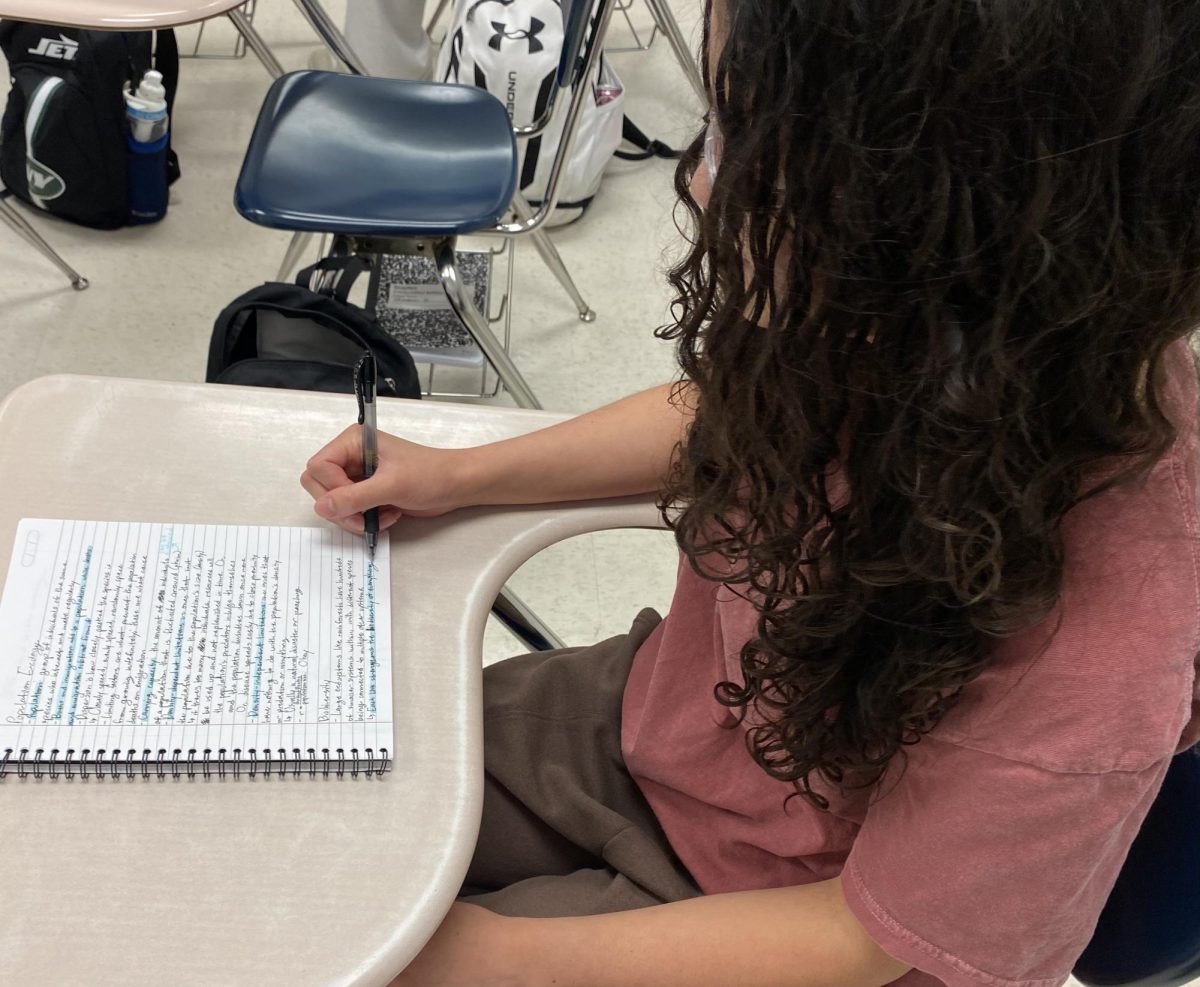
During the school year, classes should be more focused on students doing what is best for them to remember and learn things, instead of them fitting into what is easiest for the school to manage. For example, guided notes centered on filling in the blanks are much worse for students’ learning and memorization than them writing out their own notes themselves. According to the National Public Radio in 2024, writing things entirely in your own words makes information easier to retain and understand, and this method also lets the students learn how to organize and create their own notes themselves instead of stuffing their folders with so many papers. A study by the University of Louisville showed that those who took handwritten notes for the study experiment scored nearly ten percent higher on the provided quiz than those who typed their notes.
If schools encourage this more independent note-taking method for their students, students will not just learn better, they will be more engaged with what they are writing down as well. This sort of learning will help when students are doing any sort of summer work over the break. Since the actual learning process during the school year was smoother and the students retained more information through taking their own personalized notes, summer work will become less of a drag for them to complete, as the material would not feel as foreign to them anymore.
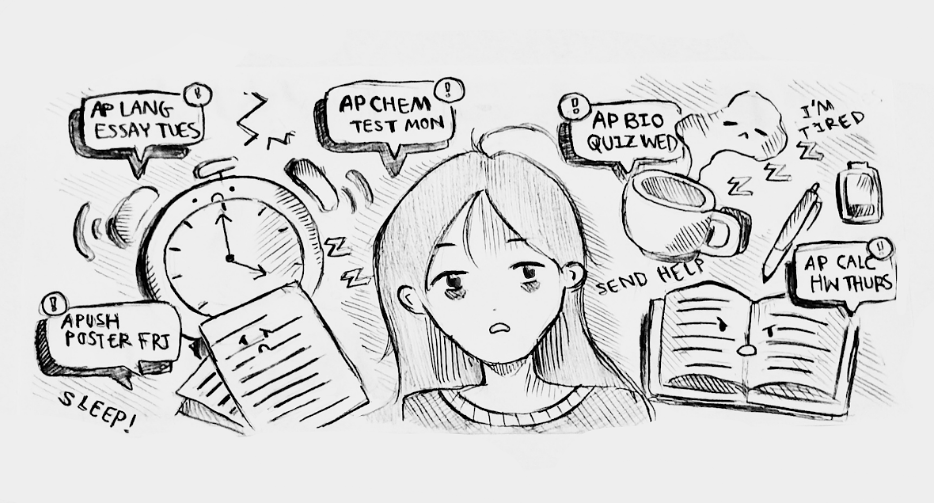
With so many weeks of school not in session, it may seem as though it is impossible for students to not forget a lot that they have learned even with more engaged learning and memory during the school year. During summer, students’ minds are not consistently engaged in learning each week, unless they go to a summer learning program or summer school, so information is probably bound to slip out. Not only that, but a lot of students delay the completion of their schoolwork due to summer fatigue, lack of interest or being occupied with other activities such as vacations or summer jobs as well. However, being able to remember more things from the school year will make the summer work an easier process to finish and maybe make students do it sooner rather than later, and being strengthened by the task of organizing and managing their own time and study materials in the school year will make the summer work much less of an obstacle than it currently is.
It is really unsettling that forgetting things over the summer is so normalized, especially when there are very easy and accessible ways to lessen its blow. For students to stop forgetting so much over the summer, schools must get better at encouraging more independent and specialized ways of learning and note-taking, as this strengthens students’ information retention and overall memory. Students should think for themselves about how to manage their time and materials, and developing good habits around this will help with learning overall, not just in the summer.