
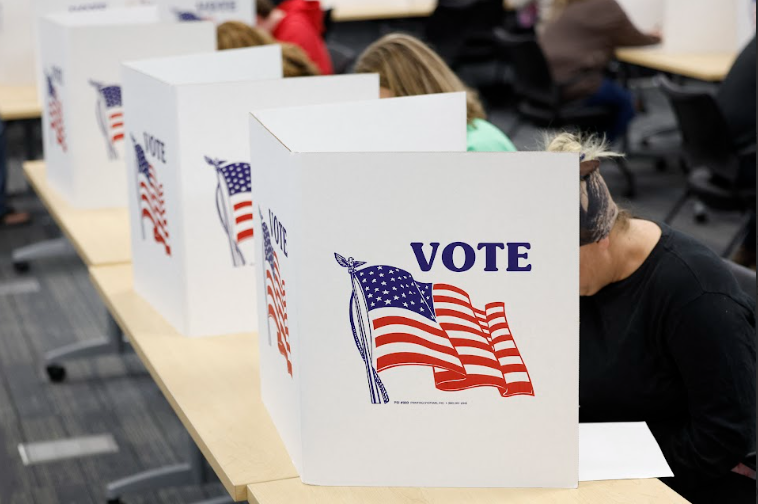
Too young to vote, yet still affected by the outcome. For many WCHS students, the 2026 midterm elections are an issue to be dealt with outside the classroom. Midterm elections determine which political ideologies will mainly control Congress, which has a large impact on federal decisions. Issues like school and education funding, financial aid for students and national policy can affect students at WCHS. While midterm elections occur halfway through the presidential term and may seem less important than the primary elections, their impact can greatly affect school systems like MCPS.
“Students may think that elections only matter when they are old enough to vote, but decisions made based on results of these elections can greatly impact them,” said WCHS teacher Jonothan Lee. “[Decisions made in Congress] affects things like [school] funding, resources and policies that relate to MCPS.”
One of the biggest connections between Congress and high school students is college affordability, namely, financial aid. Federal financial aid programs, such as Pell Grants and student loans, are funded and regulated through legislation passed by Congress. Higher education spending can influence how much students receive and ensure the equality of opportunity for all to attend the college of their choosing.
“Decisions about college affordability are made years before [students] apply to college,” said Lee. “The people elected in Congress help determine and pass legislation that can affect students’ futures.”
Beyond college affordability, outcomes of elections can also severely influence government spending priorities by prompting budget cuts, which have already affected MCPS. The federal budget can affect funding for MCPS programs like special education services, school meals and quality educators. While most of the funding for MCPS comes from the state and local level, federal funding still plays a key role in supporting students. Changes in congressional spending priorities could impact the funding of these programs and ideas in the future.
“I see information about elections on social media before I hear about it anywhere else,” said WCHS sophomore Sophie Finkelman. “It helps people stay informed very easily, but it’s also hard to know what to trust and what not to trust because there can be false information and differing opinions.”
For many WCHS students social media is a primary source of political information, representing political socialization. Platforms such as TikTok, Instagram and Youtube have transformed how younger generations view election coverage. They rely on the deliverance of political content through short videos instead of traditional news coverage. While these platforms allow for easy access to information, it is difficult to distinguish between factual information, opinions and misinformation.
“One thing that’s changed over the last decade or so is how political information reaches students,” said Lee. “A major event can happen in D.C. and students are already discussing it online, they are so well informed because I hear conversation in my classroom regarding politics and honestly learn so many new things for my students.”
Although social media is benefiting the way students at WCHS receive information quickly, social media algorithms also shape political perspectives. Social media platforms often recommend content based on the users previous interactions, creating a more personalized feed. This can expose students to a narrower range of viewpoints instead of expanding their horizons, possibly causing political bias and belief in misinformation. As political content becomes more increasingly common, students face challenges in distinguishing reliable information from content created just to gain attention.
“Many [people] think politics are something that we don’t really have to deal with yet because we aren’t at the legal voting age, but we are the ones that have to live with the decision the longest,” said Finkelman. “Even though I can’t vote in this election because I’m still a sophomore, I want to make sure my voice is heard because its outcome will affect me greatly.”