
For over a century, schools in America have followed a nine-month-long school calendar, but lately, that tradition has started to shift. Year-round calendars are seeing a spike in popularity throughout the country, but should they? Can WCHS really benefit from losing its summer break, or are the supposed perks of year-round school just a hoax?
Year-round schools consist of breaking up the school year with short, frequent breaks. For example, some schools have 45 days of school with 15 days off or 60 days on and 20 days off while running throughout the entire year. On the other hand, traditional calendars are non-stop schedules usually from late August to mid-June, with longer breaks only for holidays and summer break in between June and August.
A long summer break is useful for numerous reasons, such as time for students to relax completely. Long periods of relaxation are highly beneficial for students’ mental health, and when students are crammed with finals and APs, their stress levels are likely to increase. Teens often work jobs as well, and although many still work during the school year, school hours can limit students to only being able to work late nights or weekends. However, with an extended summer holiday, students can prioritize their jobs. With year-round school, it is hard to get hours in at work because the short breaks given are often filled with studying, paired with an inconsistent schedule.
Many argue that year-round schools are superior because some use multi-track systems, which separate students into groups that follow different schedules for breaks. The biggest positive of multi-tracks is that they are claimed to address the issue of overcrowding. Although MCPS does face this challenge with schools like Thomas S. Wootton, the county has taken a different approach. Instead of using multi-track, MCPS has decided to build Crown High School with a higher capacity of 2,200, compared to Wootton’s 1,800. Some Wootton students will be relocated there.
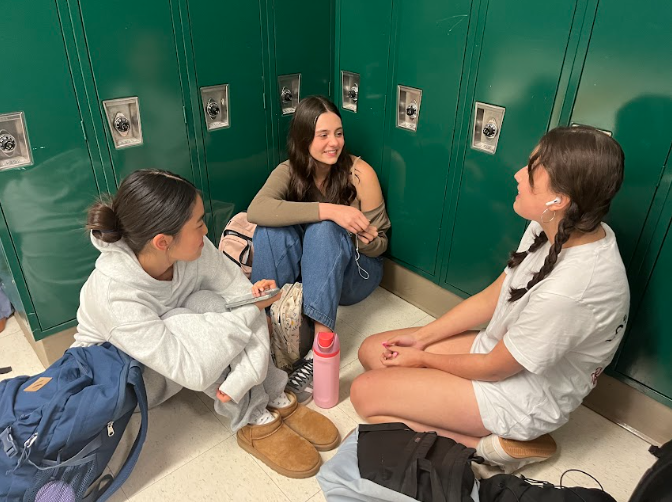
Furthermore, divided groups of students can likely split up friend groups, leaving some friends in school while others are on break. This makes it difficult for students to hang out, which can negatively impact their well-being. Socializing and having fun with friends is a key factor in reducing rates of depression and anxiety. Without social interaction, students feel alone, causing these mental issues.
In addition to mental health, students’ academic success is also impacted by relationships. Loneliness can lead to students feeling unmotivated to study, leading to lower grades, hurting both the students’ and the school’s performance. Year-round schools are promoted as the most favorable for academic achievement, yet models like the multi-track leave students isolated and disengaged.
Summer break also provides students with the time and ability to go to summer camp. Summer camps help students learn without being pressured by an overflow of assignments. Students acquire various skills like teamwork, communication, problem solving and independence from their parents. In school, however, the relentless work makes students feel more overwhelmed than capable of learning skills like these.
Aside from schoolwork and friends, year-round multi-track schedules produce complications with sports. Due to the division of students, sports teams will either experience a fluctuation in teammates every few weeks or students will be forced to practice despite being on break. This can hurt the team because students may not want to give up the time they get to relax. However, it is difficult to practice as a team without the whole team present.
Year-round schools are not here to support students’ work. Schools’ main focus should be to help students’ learning grow, yet multi-track year-round systems struggle to advance students. Though year-round school may work for some individuals, it is dysfunctional for an entire school due to its lack of mental health awareness, development of skills and extracurricular activities and inability to promote test scores. Traditional school calendars provide students with the support and long-term rest for them to grow academically.