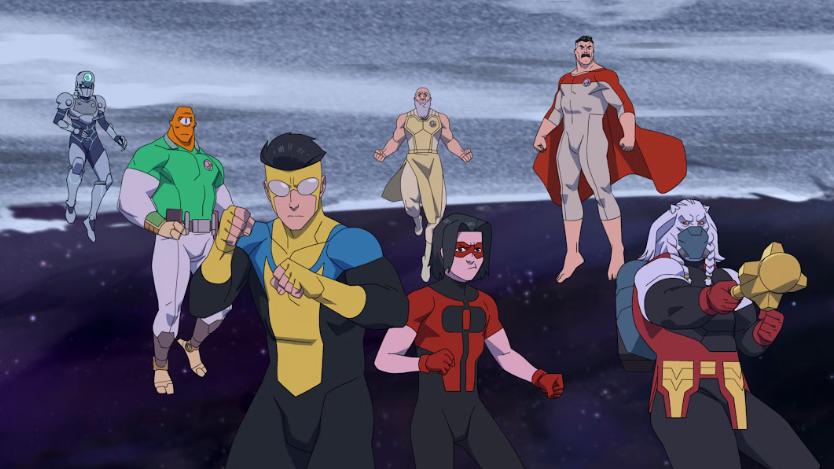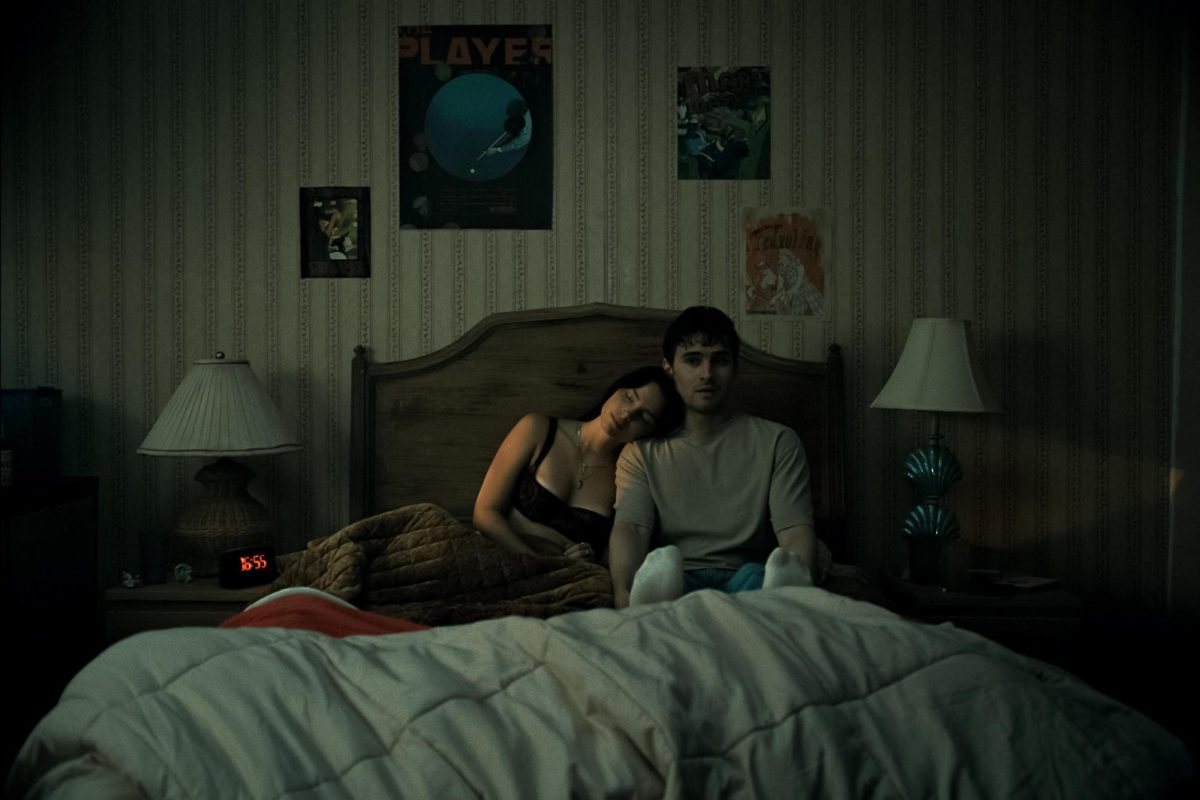

With the rise of streaming, binge-watching has quickly become the new norm. Television has become so accessible, patience has become limited and viewers are now trying to cram in as much different entertainment as they can. Many popular shows such as “Stranger Things,” “Game of Thrones” and “The Boys” have all tried and failed to conclude almost decade-long shows in just 10 hours or less. Final seasons are supposed to be allowed to breathe and build up to one, long cinematic ending. However, the eight-episode format does not work for that style of pacing, and it is showing why we now need, more than ever, to bring back the 22-episode season format.
Before the rise of streaming, shows were the most popular form of visual entertainment, and were built to fill the traditional American broadcast calendar. 32-36 weeks, September to May. Networks were not selling streaming subscriptions, but rather ad slots. Shows needed roughly 100 episodes in order to reach the traditional threshold to be syndicated, also known as being rerun. Seasons had to have about 22 episodes per season to reach this threshold, so to meet that requirement, networks would give screen time to things that would never make the cut today.
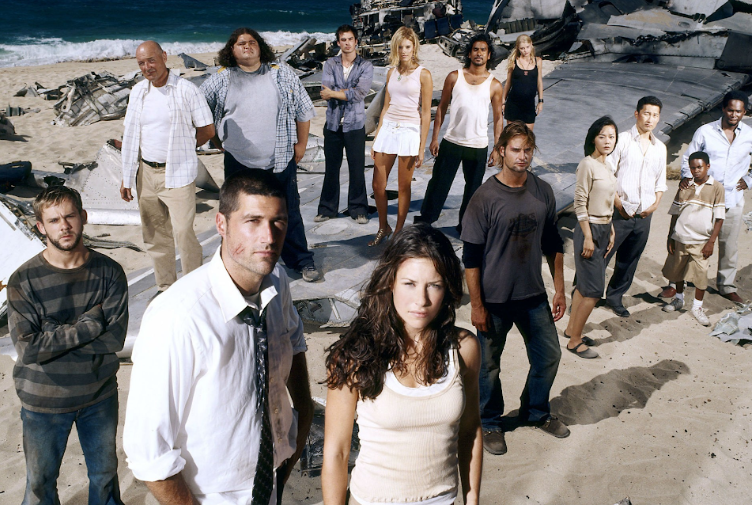
A prime example of the perfect, build-up pacing is “Lost,” which ran from 2004 through 2010. In the final season, multiple episodes were dedicated fully to character backstories, which provided further insight to the show’s mystery and the history of its world. Today, those episodes would be summed up in just one scene. Additionally, shows would have “filler” episodes, but not like how it is today. Today if there is a “filler” episode in a season, there is potentially one-eighth of the season devoted to that. In a longer-episode season, many episodes like that would work. They do not take away key time from the plot, but instead deepen characters’ development and help build the world of the series. The notorious “Fly” episode of “Breaking Bad” season three is an important piece of screenwriting history. Though the episode literally revolves around killing one single fly, it shows the development of Walter White and Jesse Pinkman’s dynamic in ways some action-packed main episodes cannot.
It is hard to deny that the longer a series is, the more emotional and important it is to the viewer. With a 100+ episode show, when a character dies or leaves the show it is the death of dozens of hours the viewer has spent with that character over the years. Imagining a show like “Stranger Things” having over double the amount of episodes seems wild today, especially because of how personal the show is for many people, but that used to be the reality. Today’s shows only feel so important to people because of the expansion of media. Clips and promotional interviews get taken from shows and turned into edits, memes and trends. People today do not just watch one episode a week and talk about it with their friends; the show also will appear continuously on their feed. With social media aspects added to a 22-episode season, shows would feel dramatically more emotional.
The decline of 22-episode seasons has also led to the death of “water cooler shows.” Water cooler shows are defined as shows where coworkers and peers gather around during work and school, specifically at water coolers, to discuss the previous day’s episode of a show. They were not just trends, they were crucial moments in culture that needed discussion every morning after an episode’s premiere. With a different eight-episode season starting every week, it is almost impossible to know what most are watching.
A show like “Stranger Things” may feel like a special moment, but those moments were the 2000s’ every day. Today, networks cannot write a fulfilling story, they can only write a blockbuster. Streaming services take a popular series, quickly add a season and wrap it up, but they can never recreate the magic of a 22-episode season. Emotional moments, world building beauty and character development should not just be a trend for two months, they should be there for every week.