
For decades, rap music has been one of the most influential genres in American culture, shaping fashion, language and social conversations. Since its explosion of popularity in the 1990s, rap has almost always held a strong position on Billboard’s Hot 100 chart. That is why it feels surprising that today, there are no rap songs currently ranked on the chart, marking a major shift in popular music.
Music plays a sizable role in students’ daily routines, whether it is during homework, car rides or scrolling through social media. What appears on the charts often shapes what people hear around them and what becomes popular between different social circles. As rap fades from the Hot 100, students notice changes in the songs that surround them every day.
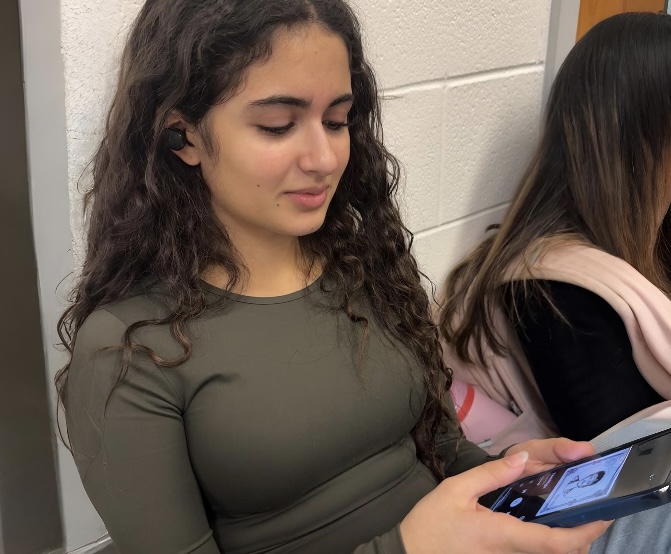
“I think that social media has a big impact on the music that my generation listens to,” WCHS sophomore Dahlia Monzavi said. “TikTok impacts a lot of my friends’ music choices, and right now a lot of the popular genres include more pop than rap.”
Another reason rap may be disappearing from the charts is how people now consume music. Instead of listening to the radio or full albums, many students discover music through short clips online. This makes catchy pop choruses more successful than longer rap verses.
“I listen to rap music, but it is usually only on TikTok. When I am listening to my own music, though, I listen to more pop artists like Bruno Mars,” WCHS sophomore Ariana Tavakoli said. “Rap is really fast and not an enjoyable genre to sing to. When I listen to music, I love singing to it, so if I can not go along with it, it is boring. I usually discover rap music on social media or the radio station, but other than that, I do not really hear it in public.”
Family influence also plays a role in what students listen to. Some parents grew up with different genres than rap and passed those preferences down. This can lead students to explore modern pop, older music or international songs instead of current rap hits.
“My parents did not grow up in America, so they were not exposed to it,” Travakoli said. “I listen to my mom’s music a lot, and the songs that come from her younger times. Rap is definitely more popular in America than in other countries, so it makes sense that many parents’ influence on their kids’ music taste does not include rap.”
The retreat of rap from the charts does not mean the genre is completely gone. Many rap artists still release music and have strong fan bases, just not the same chart dominance as before. Rap has moved into playlists, concerts and online spaces rather than mainstream rankings.
“I think about Cardi B because a lot of her songs were popular in the early 2020s on TikTok, but I can not think of many rap songs off the top of my head,” Tavakoli said. “Last year at Jingleball, I saw Gunna perform with GloRilla, and their songs are definitely more fun to listen to in person than other ways, like the radio.”
Many students notice these shifts without even realizing it. Pep rallies, school dances and sports games often play upbeat pop songs instead of rap. Over time, this changes what students associate with fun, energy and shared experiences.
“I never really hear rap a lot besides when I play it cause I feel like for a lot of people, it creates more of a dark mood than the hype and happy mood that people like,” Monzavi said. “I like how the beat stands out more, but others focus more on the lyrics, so I think that is why a lot of people do not enjoy listening to it.”
Even without chart success, rap still influences fashion, slang and attitudes among teens. Whether it is the clothing that they wear or the phrases that they repeat with their friends, rap is seen in a lot of everyday life. The lack of rap on Billboard’s Hot 100 shows not the end of the genre, but a change in how and where people experience music today.
“There is a lot more rap incorporated [into] society than people think,” Monzavi said. “They just do not know it. It does not hurt to try out other types of music because you never know what your new favorite song could end up being.”