

“Six seven. 41. Skibidi.” What do these numbers and words really mean? The short answer: not much. The long answer: quite a bit. As many of you may know, in the last couple years, a new language referred to as “brainrot” has arisen and gained popularity among adolescents. Many adults have found themselves confused (and sometimes annoyed) by these seemingly nonsensical terms and continuously ask the younger generation what their significance is. Adults, if you’re met with unclear answers or giggles, do not fear. These terms aren’t crude jokes with inappropriate connotations. In fact, they pretty much lack connotations altogether.
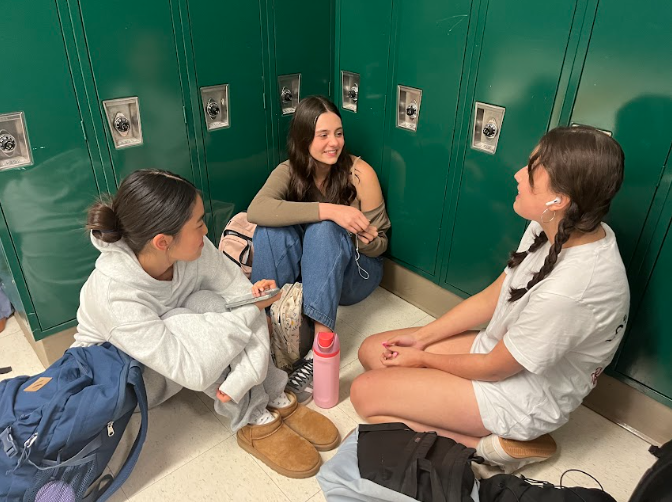
So, if these words mean nothing, why do they matter? Brainrot terms can act as a glue that connects teens and tweens around the country, and even worldwide. Anyone can say the phrase “six seven,” accompanied by a hand motion of putting palms up and moving them up and down and be met by a laugh or other brainrot response from a fellow teen. It acts almost as a code that teenagers claim as “their thing” that they share. In some ways, it functions similarly to shared interests or hobbies in forming connections.
In a world full of division and debate, anything that can bring individuals together, even just for a second, makes a difference. Brainrot spans across friend groups, backgrounds and viewpoints. It breaks down barriers that separate teenagers in other ways and allows everyone to share good laughs. Social media has been a key source in spreading the language as well as creating new words and phrases. With over 90 percent of teens using social media platforms, they can quickly reach large teen audiences and allow teenagers to interact with one another through posts, videos, likes and comments, amplifying brainrot quickly.
Do teenagers think these terms really matter? Or that they’re real? No. The answer to this lies in the name of the language. “Brainrot” historically has referred to the mental deterioration that individuals, particularly teens, experience when they spend too much time mindlessly scrolling on social media. By using this name, it’s clear that users know that the language isn’t an intellectual or groundbreaking innovation. This recognition of the senselessness of brainrot actually highlights some self-awareness of teens, contradicting their reputation.
Part of what makes brainrot so popular is that teens can laugh over its silliness. They don’t have to worry about whether they’re using a term correctly or even understanding it. In a world full of self-aware teens striving to look the right way or say the right thing, brainrot acts as a chance to let go and just have fun. It isn’t an opportunity to show off, just one to joke around. The mindlessness of the concept is part of what makes teens gravitate towards it.
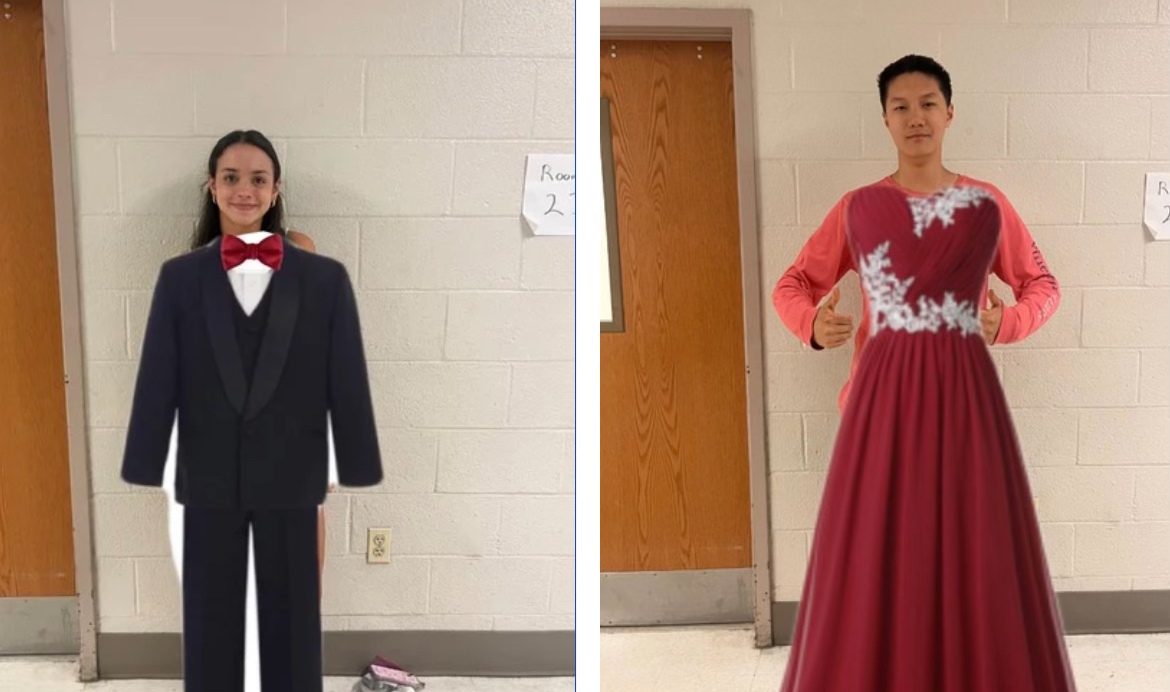
Although it’s in an unusual form, brainrot is an expression of creativity. From words to phrases to hand motions to memes and drawings, a lot comes along with the language. There is infinite room for innovation and growth in the area as there are no constraints or boundaries. Anyone can attempt to add to the brainrot dialect and world.
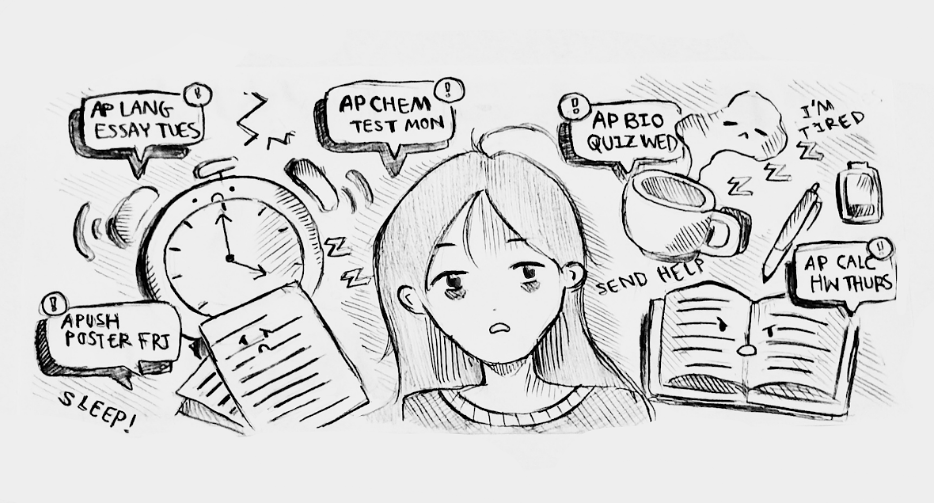
It’s no secret that teens are surrounded in every direction with stress-inducing factors. Friend drama, family issues, seemingly endless school work, pressure surrounding college or future plans. The list goes on and on. Maybe brainrot is meaningless. Maybe it’s ridiculous. But it’s innocent and in some ways, even wholesome and restorative. Although it remains entertaining to poke fun at teens for using brainrot, there is some inherent value in it. That being said, I hope you found this piece bussin’ and full of aura.