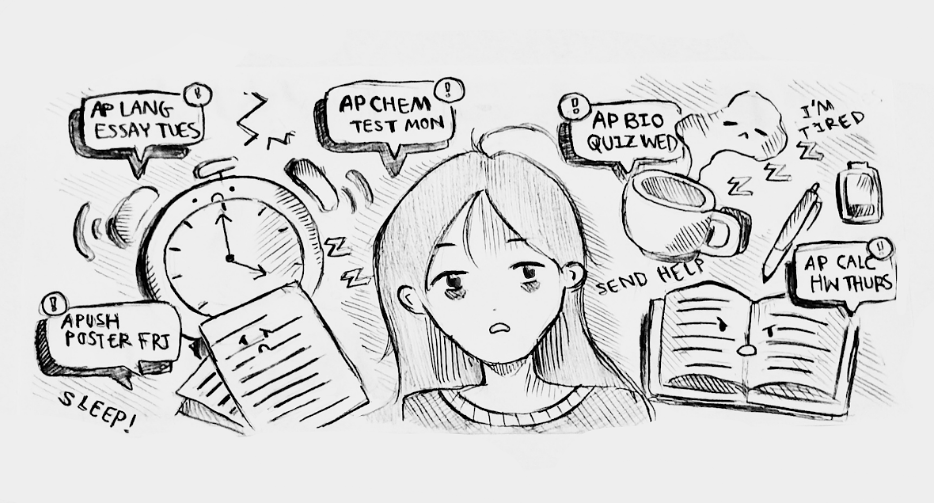


Five seconds. Scroll. Five seconds. Scroll. Five seconds. Scroll. When individuals spend time on social media, they are met with constant stimulation and the ability to watch or explore something new with the swipe of a finger. The problem? This does not mirror how life in the real world works. Focus and undivided attention for an extended period of time is essential for countless tasks from tests, to job interviews, to reading a book.
In order to bring a task to fruition and put in one’s best effort, their mind needs to be fully committed to what needs to be done and nothing else. In recent years, individuals, particularly adolescents, increasingly struggle with this as they have become accustomed to constantly being fed new content, sounds and visuals. This leads to both lower quality output and a lack of knowledge accumulation and growth. Going through the motions of completing a task while mentally focusing on something else limits how much people can truly get out of what they are doing, including how they approach a similar task in the future.
This attention span issue does not just affect the productivity of individuals in their personal tasks or jobs; it has the potential to stunt societal growth. To solve pressing issues and find answers to pertinent questions, people who are fully committed and focused are absolutely essential. Furthermore, in teamwork settings, having even just one individual distracted and unfocused can be both frustrating to other team members and detrimental to the overall quality of the work.
This issue is not just caused by the physical act of scrolling quickly through new content; it is also related to the fast-moving, cyclical society that social media has contributed to. This type of environment prompts shortened attention spans in a different way: lessening individuals’ capabilities to appreciate and give proper attention to both the material objects and human relationships in their lives.
Online trends come and go at a rapid pace whether that be a clothing item, skincare product or recipe. For those who feed into this, a lack of deep thought and rational consideration often arises. People who have dozens of sneakers may still feel that they absolutely “need” the new shoe that their favorite celebrity or influencer just posted. When people are constantly searching for the next new thing, it is easy to neglect and fail to focus on what is right in front of them.
This phenomenon of constantly “cycling through” also applies to the content creators and influencers. While some influencers have long-lasting relevance, this is rare. Millions of viewers are completely enthralled by one person, until the next month, when someone fresh and exciting comes along. For consumers, this idea of treating people as trends can lead to detrimental effects in real life relationships when people no longer appreciate consistency, connection and long-term bonds.
These societal trends contribute to an overall lack of stability, something that humans instinctually thrive on. The ability to be content and not constantly yearning for new stimulation or content is a valuable skill that promotes a calmer, more productive mindset. People who are able to embrace the present and truly absorb their surroundings are more likely to accomplish tasks efficiently and actually do them well.
When it comes to the ever-growing issue of shortened attention spans, there are a variety of solutions. Yet, one stands out above all others: self-awareness. People should experience concern when they realize they cannot even get through a chapter of a novel without moving onto something else or that they cannot watch a TV show without simultaneously playing an online game. It cannot become the “new normal.” When people hold themselves accountable and recognize that they need to limit their screen time or spend more time practicing utilizing their undivided attention for real-life tasks, true progress can be made towards restoration.