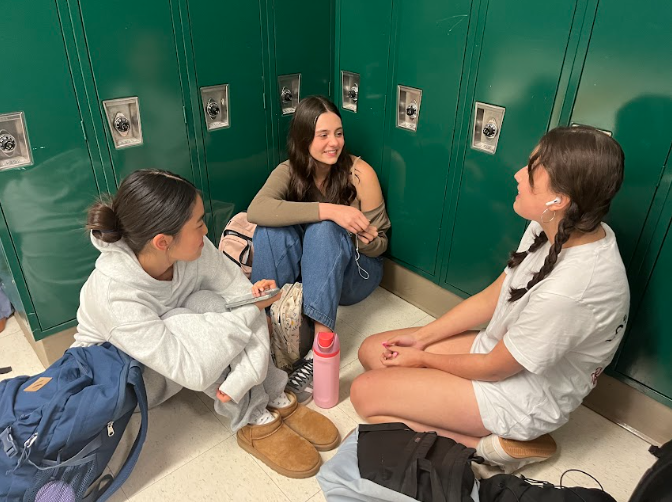

Picture this: It is Dec. 23, students are sitting, half-asleep in class, watching a boring movie that the teacher put on. It is the last day before winter break, and over half the grade has left to start their breaks, so there is no point in learning new material. One question is running through the students’ minds: Why are we still here?
For the 2025-2026 school year, winter break for MCPS students started on Wednesday, Dec. 24. This was later than in previous years and much too late for many students and their families. Though the reasoning behind this decision is unclear, the impact of it is not; it puts MCPS students in a difficult situation due to the forced prioritization of vacation over school attendance or vice versa.
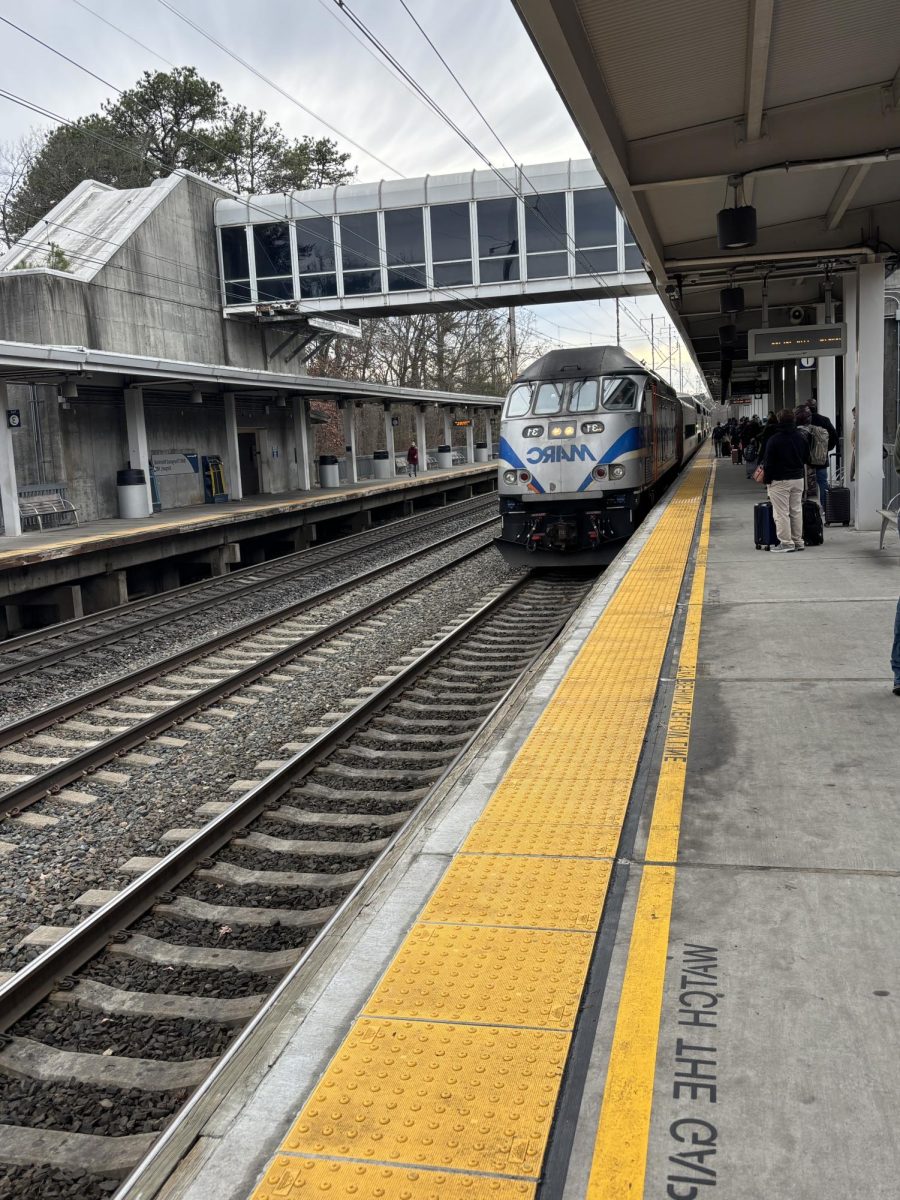
Travel during the winter holidays is a popular tradition for many people, as shown by AAA’s travel predictions. According to their projections, a record-breaking 122.4 million Americans were expected to travel during late December to early January, which is a 2.2 percent increase from 2024. A large group of MCPS students is part of this 122.4 million, with WCHS students travelling to places as near as New York City and as far as Dubai. Since the break started so late this year, students were forced to miss school days in order to take their vacations or visit family.
This situation was especially tricky for Jewish students, considering the amount of Jewish families who had to decide between their students going to school or celebrating Hanukkah, a religious holiday, with family. According to a September 2024 census, nearly one in ten people living in Montgomery County are Jewish, so the fact that the winter break does not incorporate even one day of Hanukkah is disappointing. Students should not ever have to prioritize academics or the celebration of a religious holiday; there should be time for both.
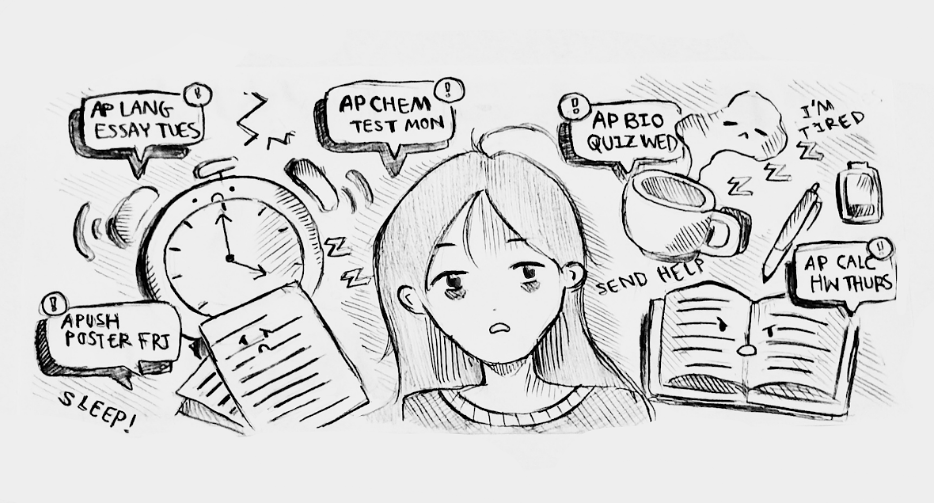
Another problem with this year’s winter break schedule is a phenomenon known as “seasonal depression.” Though it is a recent term that emerged from social media, doctors have found that winter is the least productive and happiest season. This is due to disruptions in the circadian rhythm, which is essentially the body’s internal clock. The late sunrises and early sunsets throw off internal chemical production, since the human body produces melatonin at sunset, which induces relaxation and sleep.
Additionally, the fact that homework often continues past sunset, which happens as early as 4:30 pm during the winter, increases feelings of tiredness and sadness, decreasing productivity. Many MCPS students faced seasonal depression and increasingly grappled with it as they longed for winter break to begin.
Because of this decrease in productivity and the amount of students who were on vacation, most classes did not introduce any new material on the two days before break started (Dec. 22 and Dec. 23). However, students still had to be at school, because those days counted toward their attendance. This was unproductive for both students and teachers, who could have already started their break instead of having to show up to school.
Some argue that the school year would not reach the amount of required number of school days without these extra two days. The state of Maryland requires students to have 180 days of school per year, and the 2025-2026 MCPS calendar has 182. Removing these days and having the break last from Saturday, Dec. 20, to Monday, Jan. 5, still fits the requirements, so it is a mystery as to why MCPS did not do that.
It is essential for winter break to never start as late as it did this school year. It disadvantaged students massively in multiple ways, including their attendance, vacation timing and mental health. Instead, winter break should always start before Dec. 23, at least, to ensure that students’ vacation and family time is not imposed on again as it was in 2025.