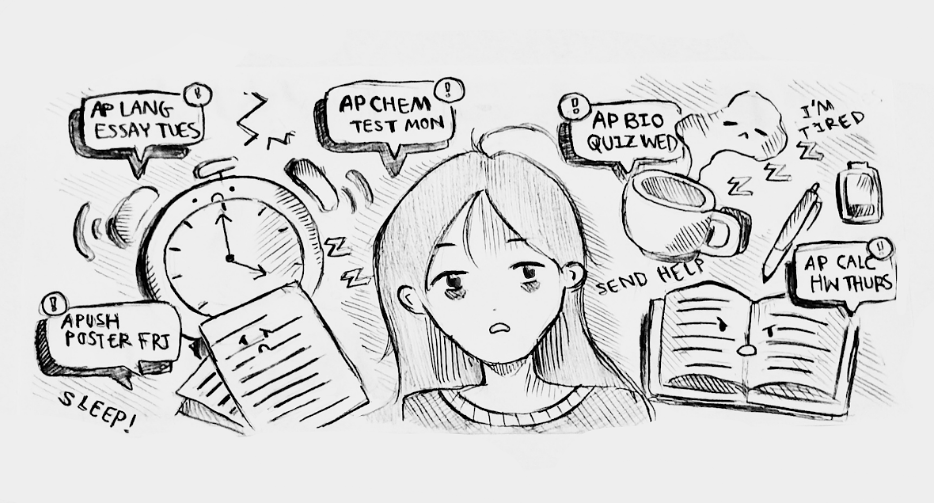


Homework has been a part of students’ lives for decades, but student life has changed. WCHS students juggle sports, clubs, AP classes, jobs and household or family responsibilities. While the purpose of homework is to improve students’ learning and help them grasp concepts learned in school, the reality students are met with is different. After long school days filled with tests, assignments and projects across seven different subjects, students return home to hours of more work. Is homework actually improving learning, or just increasing burnout?
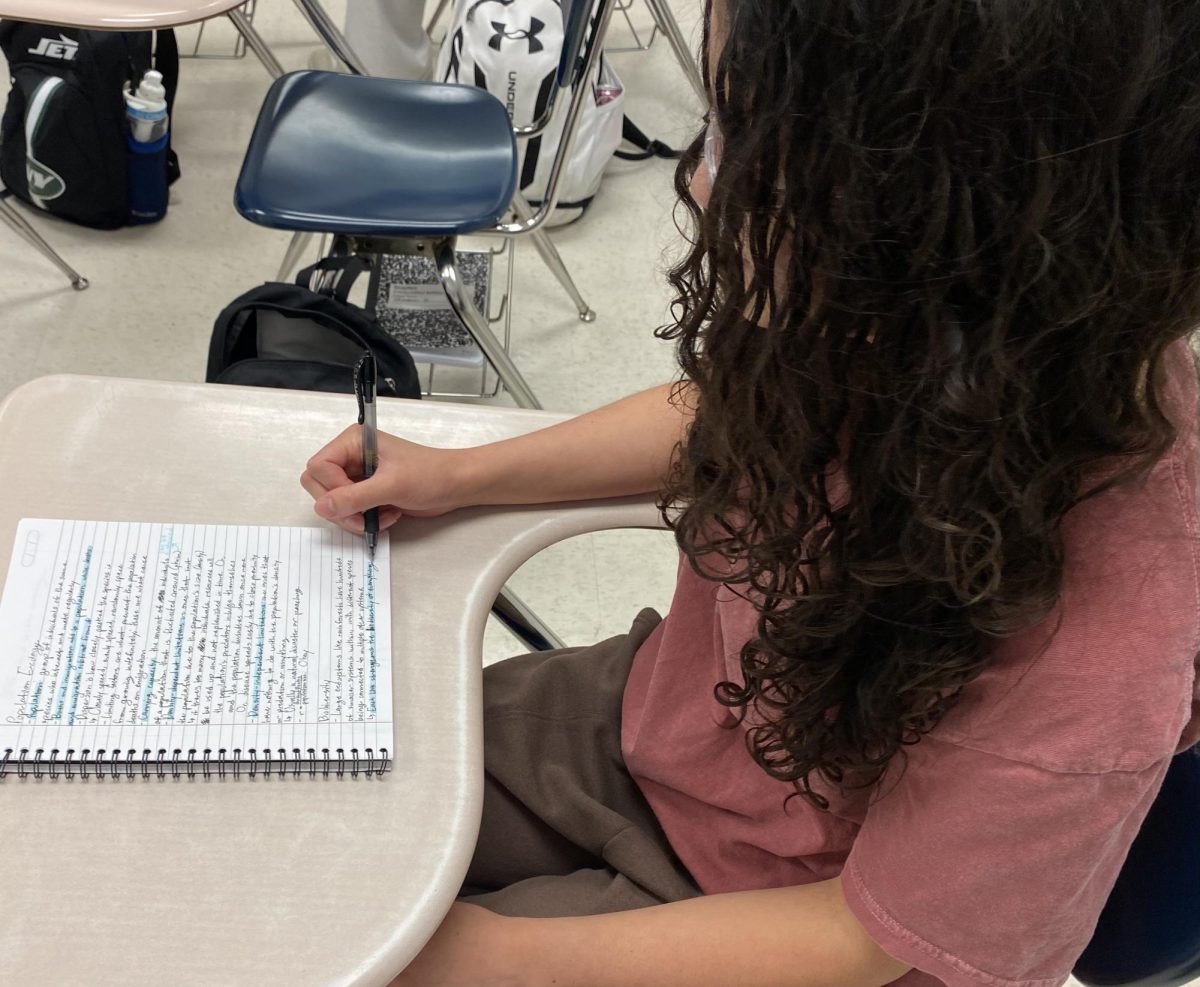
Homework often adds stress, not understanding. According to a 2014 Stanford University study, over 56% of high school students reported homework as their main source of stress, more than tests or grades. Many WCHS students complete homework late at night after long school days. Fatigue from the long school days leads to rushed work, copying answers, surface learning and Artificial Intelligence use. Due to the amount of homework given after long school days, the quantity of homework usually matters more than the quality. Stress from constant assignments can hurt mentalhealth and even ruin motivation.
Homework often causes time and balance issues for students. WCHS student athletes spend hours at games and practices after school. WCHS students with jobs often rely on weekday evening hours and weekend hours to make money. AP students already do intensive studying; extra homework can feel redundant. This can result in major burnout because, on top of school and other commitments, hours of homework awaits students when they finally get home. This can reduce the amount of time WCHS students have for self-care, spending time with their family and can have major effects on their sleeping schedule. According to a report cited by the Better Sleep Council, piled-up homework loads often cause teens to sacrifice sleep, which negatively affects focus and mental health.
The real question is, is homework prompting learning or is it just busy work? Not all homework reinforces concepts, sometimes it is just too repetitive. Although repetition is good for good performance on tests and quizzes, excessive time focused on homework can result in fatigue, lowering performance. According to research highlighted by Smithsonian Magazine, students who spend more than 100 minutes per day on homework do not perform better academically and may actually have lower test scores. Students often learn more from in-class discussions and hands-on activities. Homework completion does not always result in mastery.
Although sometimes homework is excessive, it can be helpful when done right. Practice can reinforce skills in math, science, and languages. Homework can help develop time management skills and responsibility for WCHS students, preparing them for their lives and careers in the future. Some students have different learning styles and can benefit from independent review. The problem isnt homework itself, how much it is assigned and if it is being assigned strategically.
Homework has been fundamental for schools for decades, but now, in 2026, learning has evolved. Students have access to videos, online reviews and AI tutoring tools. Learning no longer needs to rely on traditional nightly homework. WCHS should adapt teaching methods to how students actually learn now. According to a Stanford University survey of more than 4,300 students found that many high schoolers spend over three hours per night.
One way to make homework more effective is to assign less and instead focus on quality over quantity. Teachers could provide optional homework which allow students to apply learning methods that work best for them instead of forcing it. Additionally, instead of constant lectures and not taking classes at WCHS, more class time could be devoted to practice, questions and review, in order to make sure all students are test-ready. This would reduce the need for excessive work at home while increasing the quality of student learning. Finally, WCHS could set a limit on total nightly homework across all classes ensuring that WCHS students have time for extracurriculars, sleep, and personal responsibilities.
Homework should be a tool to support learning, not burn students out. In 2026, WCHS needs to prioritize balance and effectiveness over quantity, recognizing that mental health and wellbeing is just as important as achievement. The goal should be understanding, not burnout.