

Many see autumn as a time for friends, family, gratitude and the great outdoors, but with this season also comes numerous downsides. With the body still accustomed to the warm temperatures of summer, the cooler weather of autumn feels unfamiliar. The dull ambiance of autumn is a stark contrast to the lively and energetic feel that culminates in summer. Then there is the reopening of schools and the heightened risk of illness and allergies, both issues in and of themselves. In essence, autumn is simply not as great as people believe it to be.
As autumn rolls around each year, it arrives at the expense of the glorious temperatures and weather of summer. When the temperature begins to drop, it signifies that vacation is about to end and that the time has come for people to return to their regular, mostly uneventful lives. This shift in rhythm from summer to autumn seems almost unnatural, as going from a period filled with excitement to a tedious environment of repetition feels uncanny, even unnatural. Getting used to this new tempo, combined with the decrease in temperature, is not great and leaves one wistful for the flavorfulness of summer.
Moreover, the number of sicknesses that plague this season is nothing short of alarming. A study from Main Line Health shows that many of America’s most familiar illnesses, such as the flu, common cold, COVID-19 and RSV, are most prevalent in this season, effectively making autumn one of, if not the most, ailing seasons for the general public. On top of sicknesses being far more extensive, autumn is also tied with spring for being the season when the most people are afflicted with allergies. Ragweed pollen, mold and dust mites, some of the most common allergens, become widespread and affect millions of people across the United States throughout autumn. So with the annual arrival of Autumn, a spike in illnesses and allergy-related incidents quickly follows.
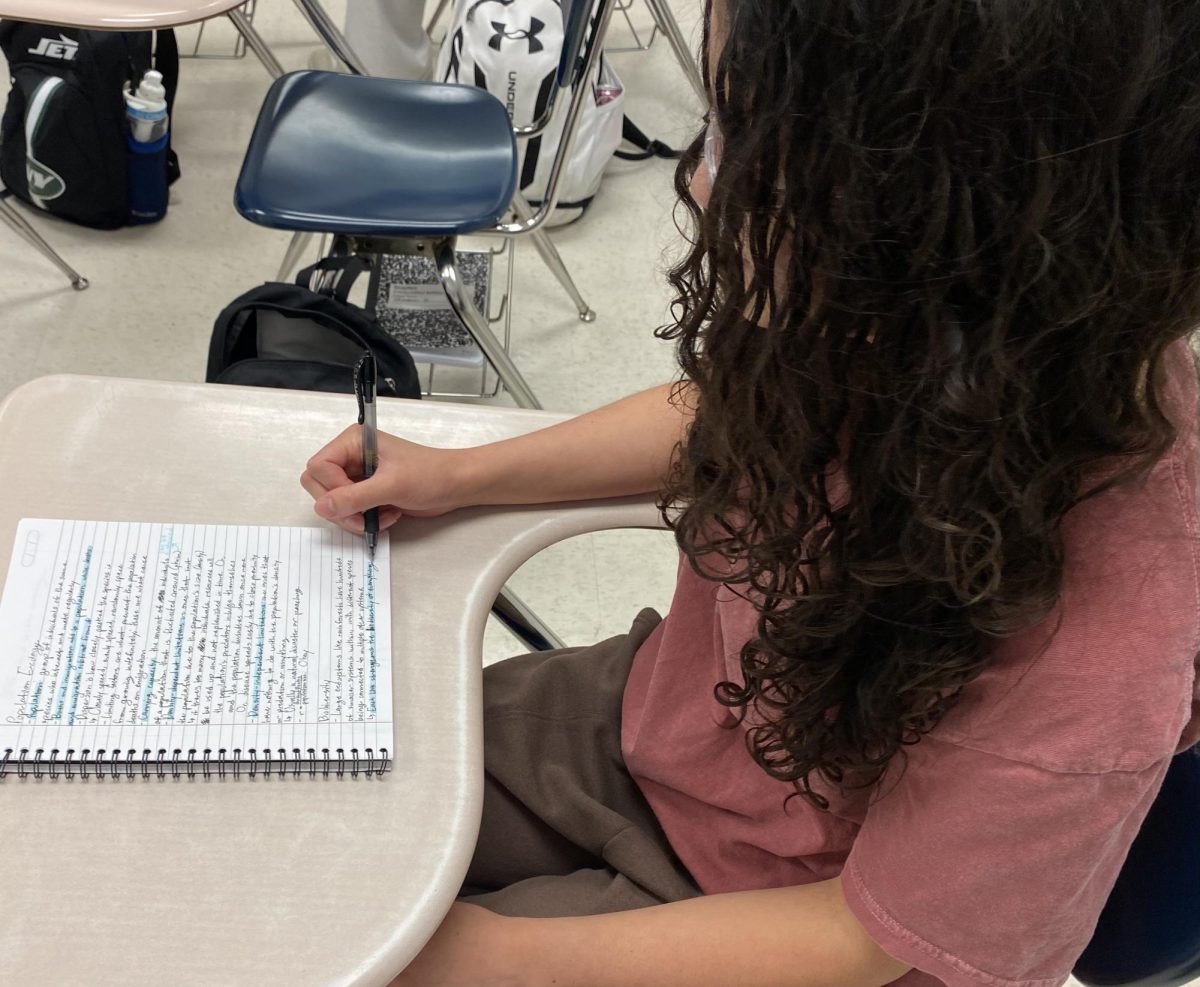
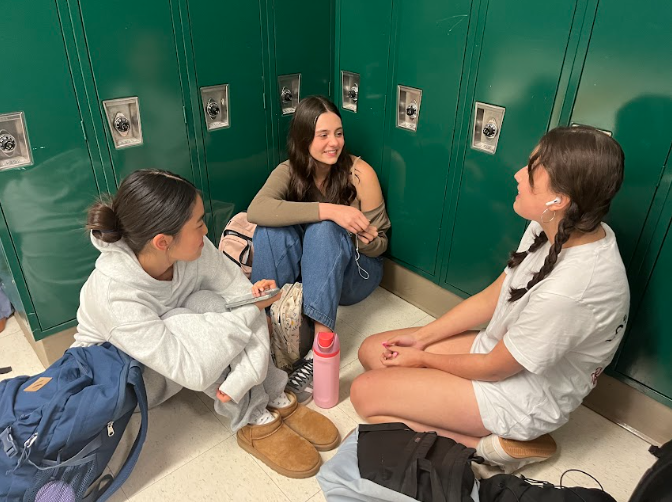
Do not forget that with the seasonal switch from summer to autumn, school reopens, marking the end of vacation for students and a return to the daily tasks and struggles that come with the establishment. Some may think of school as an opportunity to learn new and interesting concepts and to increase proficiency in a subject area, or a chance to make new relationships, but for most, the reopening of school symbolizes a sad return to the monotonous happenings of academia.
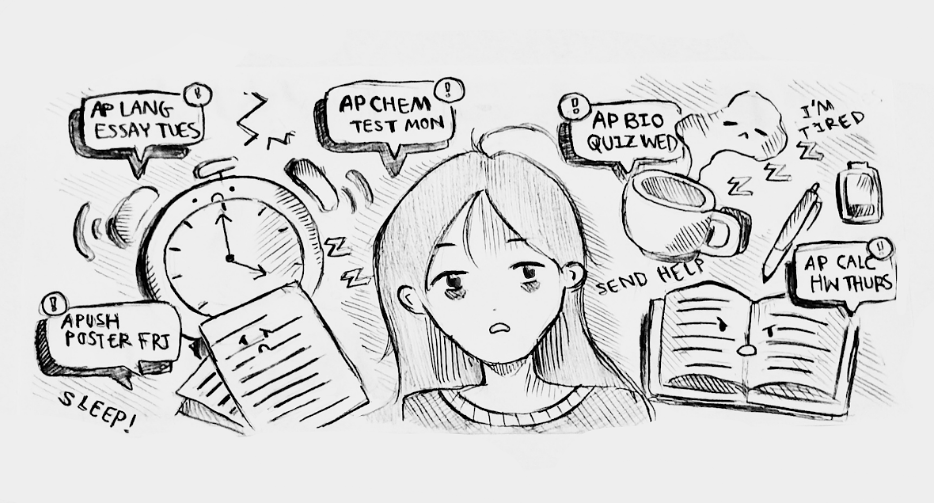
With numerous tests, assignments, projects and more, loaded upon the backs of students at the start of each new school year, many feel weighed down by the workload. Left with much less time to pursue passions and hobbies due to the constant need to apply oneself to academics, the student body undergoes levels of stress that are, quite frankly, exhausting. Truly, school puts the nail in the coffin for this season since it takes so much freedom away from the youth, replacing once-held autonomy with a considerable amount of burdening responsibilities.
Although the holidays and colorfulness of autumn make it seem like an enticing season, that is only part of the picture. It is undeniable that the holidays that take place in this season, namely Thanksgiving and Halloween, provide opportunities to spend time with friends and family, and are where memories are made. In addition, the many colors that can be found in nature during this season are a breath of fresh air. With leaves colored vibrant yellows, reds and oranges, going to familiar outdoor places feels entirely different, almost as if the whole setting has been artistically redesigned. When put like this, autumn sounds like a time filled solely with happiness and natural beauty, a time to explore the world and cherish moments with loved ones.
Although to have this view, you would have to be looking at life with a warped perspective, because to completely ignore the immense negatives of this season and see only the good is illogical. The chance to spend time with family and to observe nature’s magnificence presents itself every season, whereas a return to tedious schedules, increased chance for illness, and so on, takes place primarily in autumn.
To put it simply, the drawbacks of autumn outweigh the good that comes with it. People who wholeheartedly argue that autumn is the best season seem to forget that it is a double-edged sword, as its pros are accompanied by manifold cons. When these shortcomings are taken into account, the question arises: can a season that has such a wide variety of disadvantages actually be considered remarkable?