

For about 15 minutes after school, students with assigned cleaning duties pick up broomsticks, dustpans, mops, buckets and rags to clean their classrooms. Although this practice is common in some countries, it is rarely found in the U.S. This raises an important question: should students in the U.S. also be responsible for cleaning their own classrooms? Currently, the practice has been viewed with suspicion or even reduced to stereotypes, with critics seeing it as punishment and deeming it “extreme.” However, now is the time for the world to see how student assigned cleaning duties may have benefits that go far beyond the surface.
In some schools in China and Japan where mandated cleaning duties are common, students are assigned roles all through high school. According to Shin Edupower, these duties usually take place after lunchtime or when all periods are over and take only five to 15 minutes. Students are assigned groups, often with four to six others, and participate in cleaning floors, desks, windows, blackboards and even toilets.
While these tasks may seem menial and degrading at first glance, it is meant to help with two main things: developing good manners and fostering students’ social skills. Cleaning time can help students become more inclined to value cleanliness and avoid littering. By teaching students that it is their responsibility to clean up after themselves instead of a custodian’s, students’ mindfulness and discipline would be strengthened.
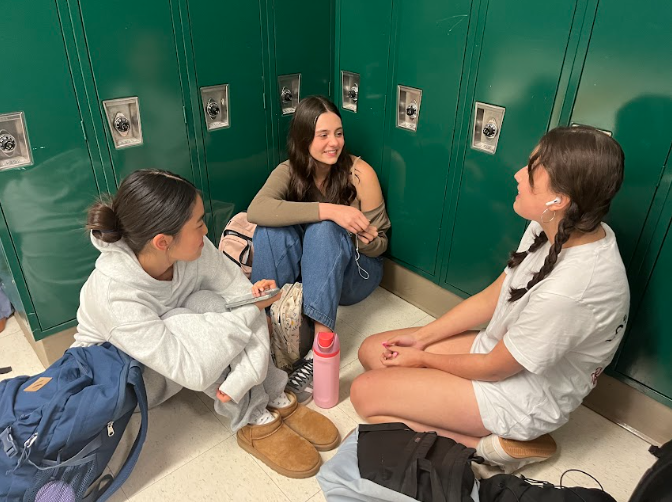
Additionally, student mandated cleaning can also be used to create a sense of community amongst students. By connecting people who may otherwise have little opportunities to interact, students can make new friends or use this time to develop their social skills. As cleaning is a collaborative activity, involving dividing roles and responsibilities, students are forced to exercise their teamwork skills and cooperate with one another.
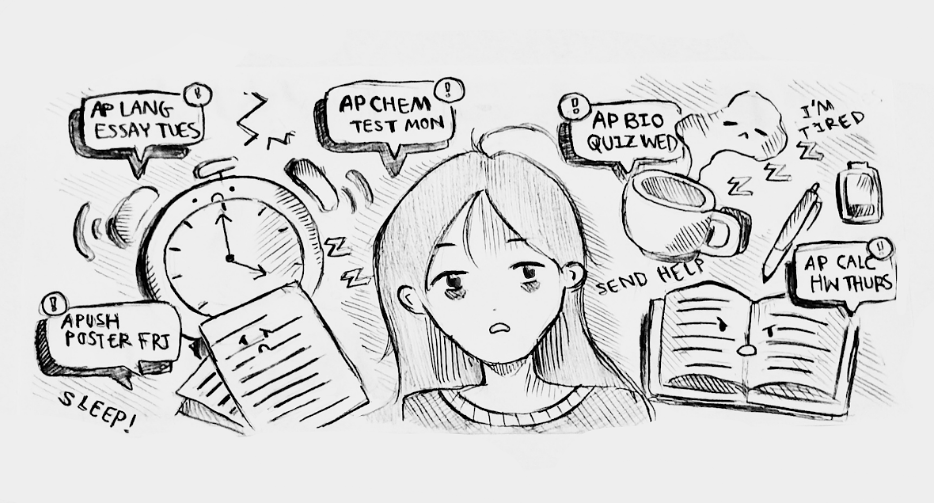
However, this tradition does still raise reasonable concerns. Some may question whether young students can even clean effectively. A teen may be able to use a broom and dustpan, but what about when it comes to disinfecting sinks and toilets, tasks that directly impact public health and safety of the entire school population? Realistically, students are tired after school. Many may just want to go home and relax or talk with friends. Thus, the reality is that oftentimes the cleaning job is half-done or rushed.
While there are logistics that need to be resolved regarding custodial duties for students, this factor alone does not mean that cleaning duties should not be implemented at all. Rather, student cleaning should not be treated as a replacement for janitors. Instead, they should work alongside one another. Students should complete age appropriate classroom tasks that can support custodians rather than trying to handle the most demanding cleaning jobs. Contrary to asking students to deep clean bathrooms, they can focus on wiping desks or disinfecting doorknobs. Instead of asking students to mop floors, they can sweep and take out the recycling.
Not only does cleaning in the classroom benefit the class environment, it is also teaching students an essential life skill. Not every student learns how to clean up after themselves at home. By teaching students how to manage personal responsibilities like organization and hygiene, that knowledge carries into adulthood. Just as many people argue schools should teach practical skills like taxes, learning how to clean and maintain shared spaces can be just as valuable.
Ultimately, student-mandated cleaning is not solely focused on aesthetics, but rather on how to shape a student’s sense of responsibility, community and independence. There is more to cleaning than just polishing mirrors or sweeping floors. What matters is the lessons students learn from it, and the opportunity for growth that simply putting students in a role of shared-responsibility can provide.