

When states around the nation started to legalize sports betting, many felt it was a long-overdue move into the contemporary age of sports entertainment. Fans, for once, could put their money where their mouth was, and leagues could generate revenue from a hot new source. However, when the lines between fanhood and finance were blurred, repercussions were hard to ignore.
Sportsmen who were once hailed because of their performance are now under a lens of scrutiny. They are suddenly cyberbullied, equated with dictators and turned into villains by gamblers who lose a few dollars. Sports betting in its current-day context has gone overboard. It needs to be regulated and restricted further before it inflicts irreversible damage.
In the luxury of hindsight, and with an internet full of offensive posts, it is obvious that the issue goes deeper than gambling. It is one of accountability, or lack thereof. Every free throw not made or every pass dropped now potentially carries the ability to make someone lose money, and athletes are being treated less as people and more as gambles.
Recent TikTok trends mirror individuals such as Miami Dolphins quarterback Tua Tagovailoa, edited into clips with Saddam Hussein and terrorists for losing, just as an example of the scrutiny faced when athletes fail nowadays. This is no longer satire but, instead, indicative of a culture where individuals feel they are entitled to perfection because they wager. For the players and families themselves, the repercussions are not virtual. Instead, they are quite personal.
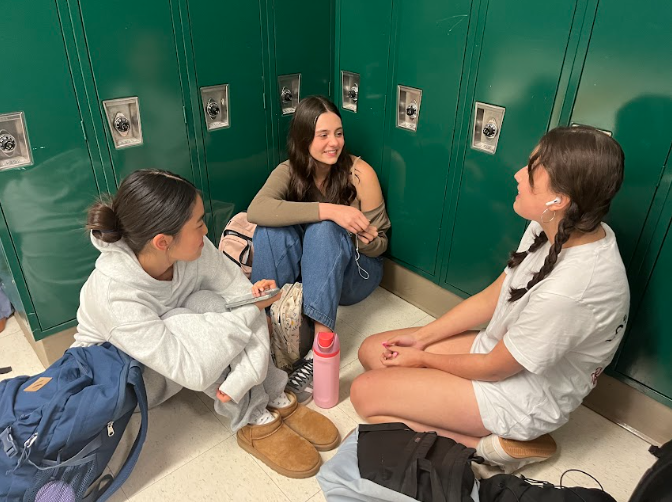
The ease of access to gambling on the internet has done nothing but fuel this poison. Apps inadvertently permit nearly anyone, even some WCHS students, to sign up, bet and find themselves in a gambler’s ruin. Kids who used to open up ESPN to examine a box score now reload games of chance apps to see if they won on a parlay (a wager that links multiple bets together). For their part, these underage participants tend to direct anger into harassment campaigns on players, spewing slurs, threats and manipulated videos. The entry costs are barely anything, but the social cost is astronomical. Age requirement regulations must be stronger than they currently are to prevent the culture of quick outrage that these sites enable.
Advocates for sports gambling argue that it encourages activity and revenue to leagues. But it just harbors hate and irresponsibility. A sporting fan who is a spectator wishes to see justice served; a gambler wants to see his wager settle. Those are two distinct motivations. The more sport becomes about wagering, the more participants become scapegoats for money loss. Professional sports leagues and legislatures owe themselves and others alike to draw that distinction and avoid fandom turning into fiscal insanity.
No one is demanding that gambling vanish. As with tobacco or alcohol, it can coexist with tight controls like age restrictions, bet limits and heightened ID checks. Social media platforms need to be held responsible for harassment campaigns born out of betting losses, and leagues need to invest in mental health buffers for players being harassed online. If this business keeps calling itself “entertainment,” then it should remember that real people like players, coaches and families are the ones being sold to someone else’s bad odds.
The current system “works,” but only for those who are benefiting from it. It “works” if the metric is dollars, not individuals’ livelihoods. It can work for the gambler who needs a dopamine hit, or the league pocketing sponsorship money, but it does not work for the player checking his phone after a tough loss. It does not work for the children of the parents being ridiculed in edits on the internet. And most definitely it does not work for the next generation, who have been conditioned to believe watching sport is not complete without a wager.
If sports are to inspire us, unite us and celebrate the art of performance, then gambling on sports has to be tamed in order to rescue those who make that possible. Regulation is not about removing freedom but restoring vision. For when the spread overshadows the scoreboard, it is the love of the game itself that really gets lost.