
High school sports are seen by many as a place where anyone can compete and represent their school, regardless of their background. However, as participation for high school sports increases, so does the cost of equipment that student-athletes rely on to succeed.
While the amount of equipment needed to play most high school sports has remained relatively consistent, many student-athletes say equipment prices have increased significantly in recent years. This is especially noticeable in the realm of WCHS lacrosse, where it is required for students to buy most of the equipment necessary to play.
“To play lacrosse at school, you have to buy the majority of the equipment,” WCHS freshman Ben Teicher said. “Besides the helmet, which the school gives to you, you need to buy cleats, pads, a stick and gloves.”
This trend is also true for other WCHS sports. For example, in baseball, students must purchase all of their own equipment, as the school does not assist them in this category. As players grow, it is mandatory that they purchase equipment for every upcoming season, which increases their expenses on equipment every year.
“Every season, I have to buy a new bat, because every year, as I get older, I need a larger and larger bat size,” WCHS freshman Beckett Johnson said. “The team does not support us with equipment. We pretty much have to buy everything ourselves.”
In addition to the fact that students must buy large amounts of equipment to even be considered to step onto the field, the prices of gear can be significant. For lacrosse alone, a full set of high-quality equipment can range anywhere from the mid-hundreds to the low thousands, depending on the brand.
“To obtain a full set of protective gear, the equipment brands I use charge around $500 for the full set,” Teicher said. “If you include the helmet, that number goes up to as much as $700.”
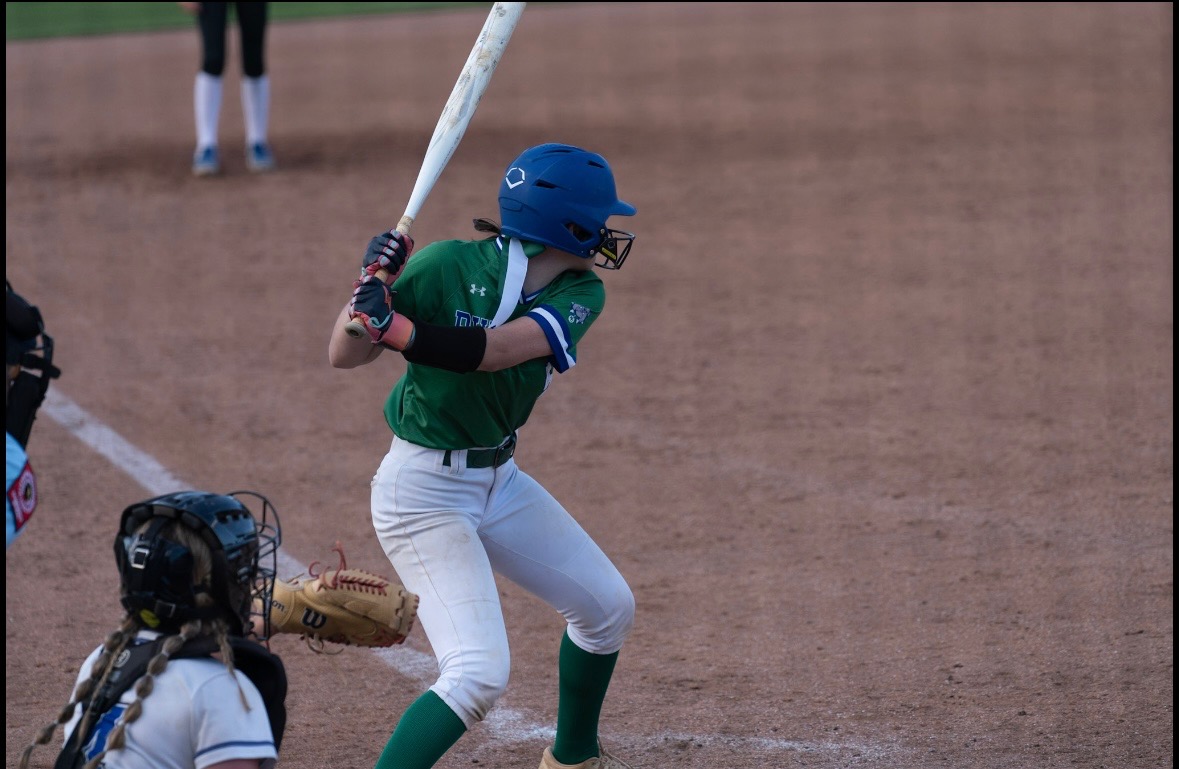
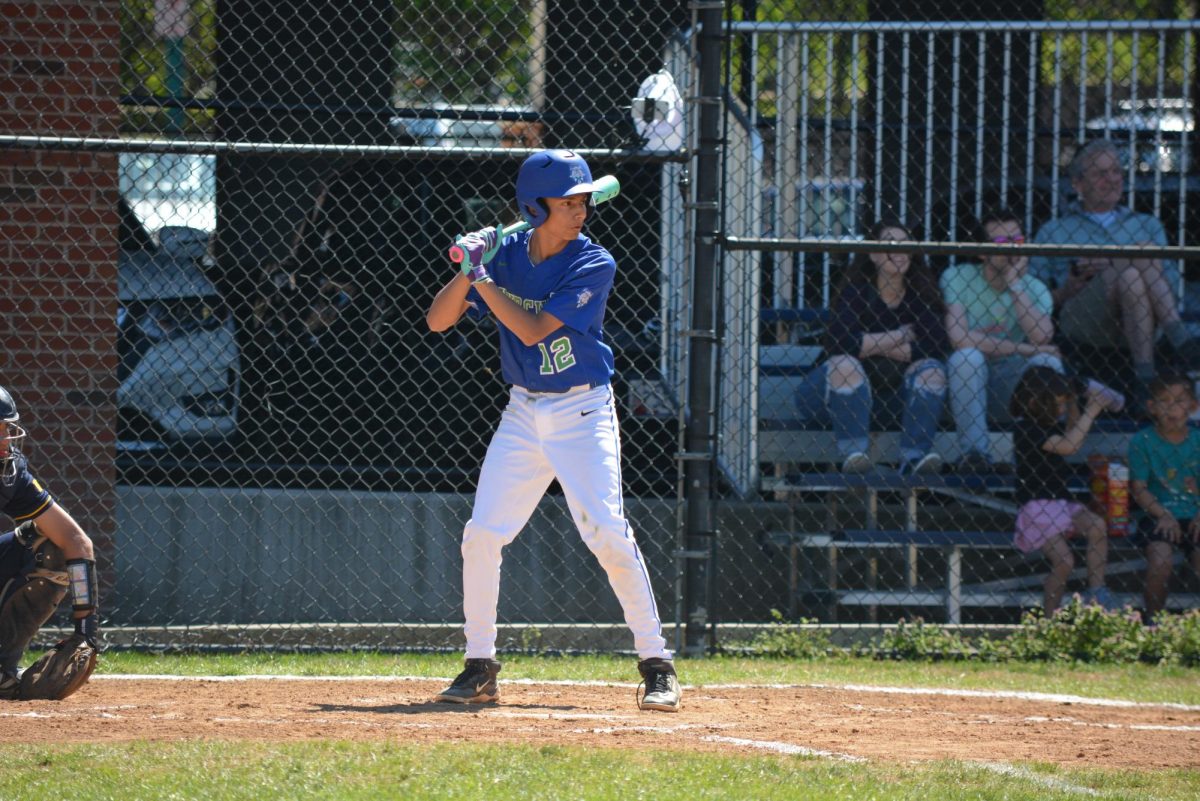
Baseball equipment can also be pricey, especially when it comes to metal bats that all players need in order to be able to play. Bats can cost hundreds of dollars and often need to be replaced after a short period of time. On top of that, the most expensive bats allow players to hit the ball farther and feel less sting in their hands when they swing the bat. This inequality creates a performance divide that strongly benefits players with the more expensive bats, making it harder for players with lower-quality gear to compete.
“My newest bat costs $350, which, in terms of baseball bats, is on the expensive side,” Johnson said. “On top of that, we players usually have to replace our bats at a bare minimum once every two years.”
Not only does sports equipment affect player safety, but it affects on-field performance as well. By having the right gear, players can safely play their chosen sports with a lower risk of injury. This could not be more evident in lacrosse, as getting hit in a place without protective equipment can cause major injuries. This causes a larger emphasis on player safety in lacrosse, driving increased prices for protective equipment.
“Equipment is the most important part of lacrosse, because it is a physical game, and if you are hit in the wrong place at the wrong time, you could receive serious injuries, such as permanent disability,” Teicher said. Compared to football or hockey, you need as many sets of pads, if not more, to stay protected.”
Looking past the financial costs for sports equipment needed to participate in high school sports, rising prices could have a long-term impact on who gets to play their chosen sports at higher levels. If equipment costs continue to increase, some athletes may find it harder to afford to compete in certain sports.
“When equipment prices rise and cut families out of baseball, professional baseball will not be as talented,” Johnson said. “There will not be more underdog stories, just a league full of rich players who have an advantage compared to the middle or working class.”