
School projects are something that is ubiquitous in all subjects. Whether it is a one pager for biology or a historical figure collage for history class, school projects always seem to swamp students when it comes to the end of the quarter. However after being handed back, the projects are often hidden away in a closet or recycled right outside of the recycling bin of the class. Yet, there lies an exception with Rudnick’s engineering projects, which have a real life impact in being able to help teachers with their classes.
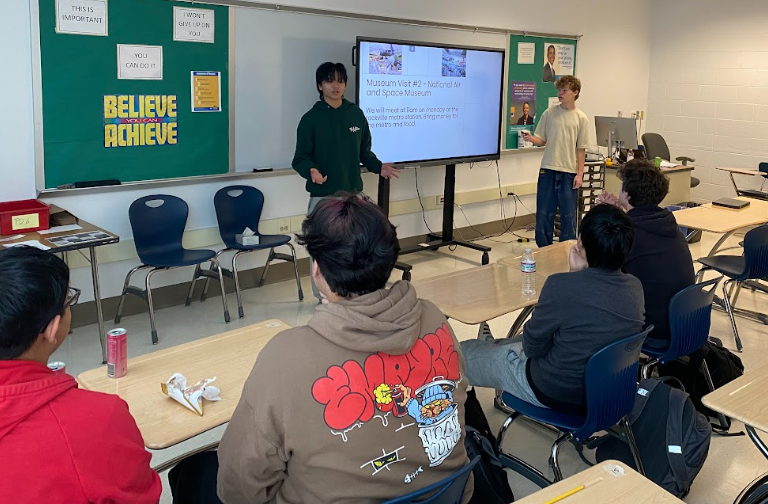
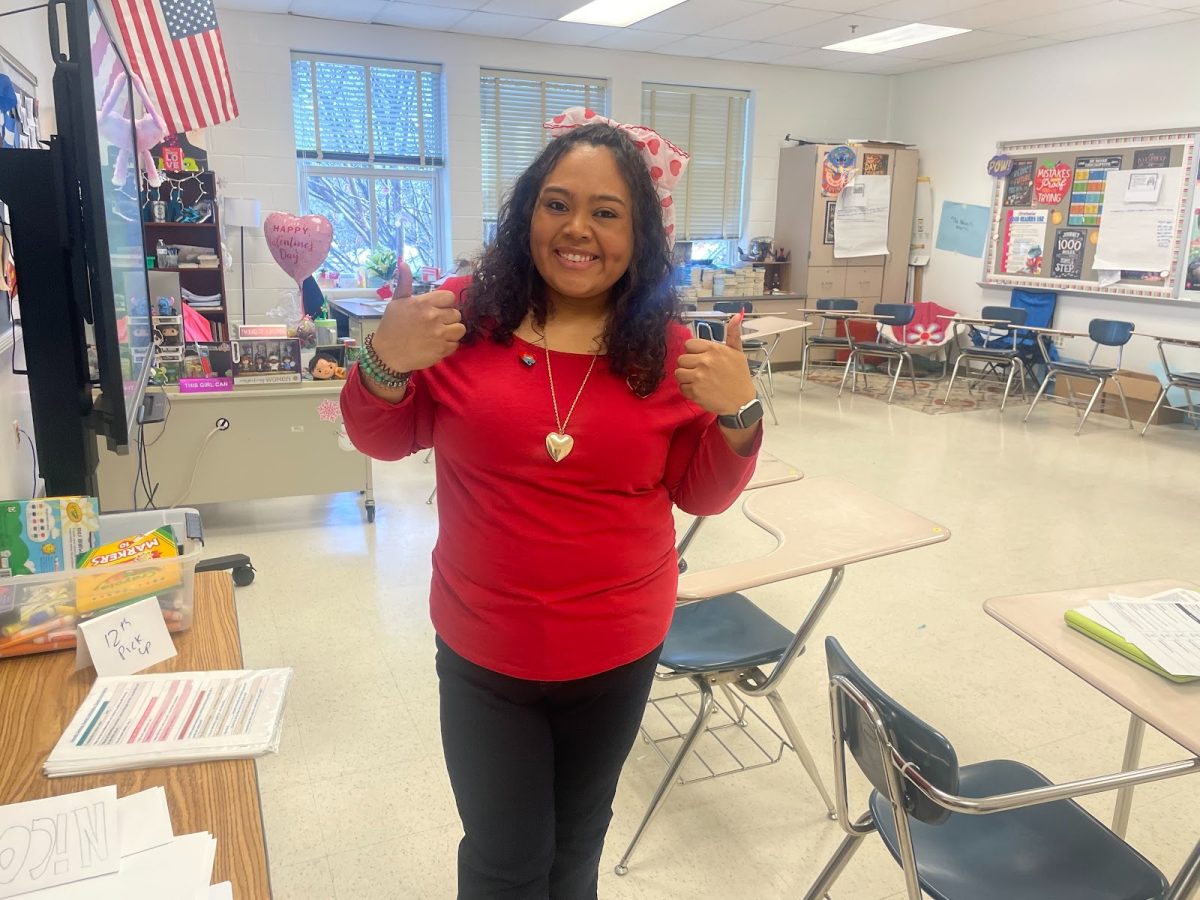
“For the project, students had to first identify the problem they were trying to solve, do research about previous solutions that were used to address the issue and figure out the requirements for their games,” WCHS Engineering teacher Marla Rudnick said. “After testing their games, the groups collected data and presented their information to teacher stakeholders and professional engineers we invited.”
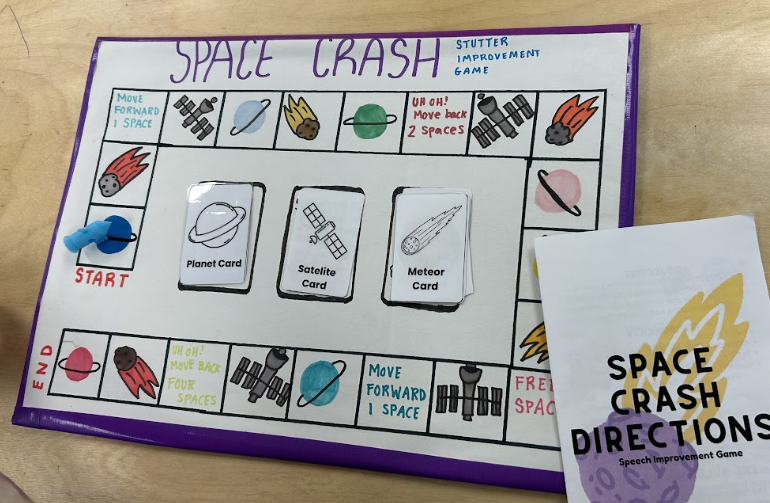
All of the projects are designed with a problem that teachers have in mind. Each period of Rudnick’s engineering class has a different problem to solve for the teacher they are designing the games for. This year the game topics include family trivia cards, board games which help students who stutter, conversation starter games and Romeo and Juliet study review games. Students also used a variety of materials for their games from using cardboard poster boards to 3D printing their own game boards and player pieces.
“Our game was designed to help students study for Romeo and Juliet,” WCHS senior Ton Ton Shen said. “It was inspired by the game Monopoly. Essentially, the players have to answer questions based on the book. If they get the question correct, the player is allowed to move forward. But, if the player gets a question wrong, they have to step back.”
The project teaches students valuable real-life skills on how to work in a team and fulfill their assigned roles. During the process, the groups are given team evaluations to give feedback to each other’s assigned role in the project. This ensures that each group member is playing their part and contributing to the project as a whole.
“Some of the skills that students gain are persistence and how to work in a team,” Rudnick said. “The groups are responsible for creating their own team charters in which roles are assigned to different team members to ensure that everyone was fulfilling their responsibility.”
However, with the challenges that may come with working in the group, there is also fulfillment in being able to design and create a game which WCHS teachers can use in their own classrooms. Many of the student designed games will be given to teachers, where they will use those game designs in their lessons to help students make the process of game design even more meaningful.
“My favorite part of teaching these game projects is that it’s always new each year,” Rudnick said. “We have done different projects every year, but they are all designed to address community based issues that you can solve at local levels. What is great is that teachers can also use the games in their own classrooms and student’s designs can have a real-life impact.”